Five Minutes of Stillness: How I Shrank the Tea Ceremony to Fit a New York Commute
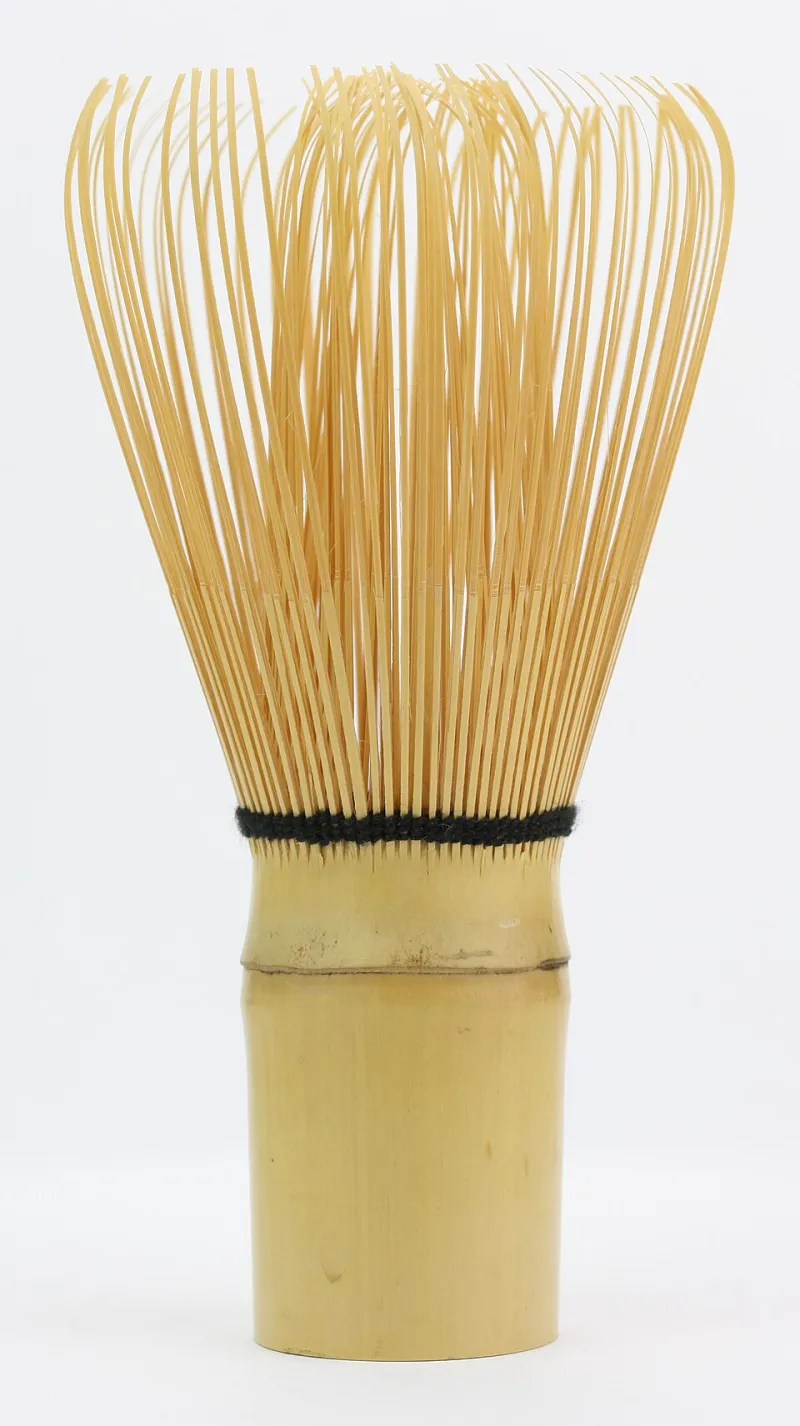
Photo: D-Kuru, CC BY-SA 4.0, via Wikimedia Commons
There's a moment in every traditional tea gathering — right before the host whisks the matcha — where nobody moves. Not a dramatic pause, not a performance. Just a held breath. The bowl, the water, the season, the guest: everything gets acknowledged before anything happens.
I think about that moment every time I watch a New Yorker drink a cold brew while speed-walking past a Duane Reade, phone in one hand, bagel in the other. I've been that person. Some weeks, I still am.
But about two years ago I started experimenting with a question that sounds almost embarrassing to say out loud: what if the first thing I did every morning was pay attention to one thing, completely, for five minutes?
What the Ceremony Is Actually Teaching
Here's what surprised me when I started studying chado, the way of tea. The famous choreography — the bowing, the folding of the fukusa cloth, the precise turning of the bowl — isn't the point. It's the delivery system. Every deliberate motion is a door that closes behind you on the world of notifications and errands. By the time the tea exists, you've already arrived somewhere else.
American hustle culture has no door. We multitask our way into the day, treating mornings like a loading screen. The ceremony refuses that. And that refusal, I'd argue, is more valuable to a burned-out Brooklyn freelancer than to anyone sitting in a Kyoto teahouse. We're the ones starving for it.
The catch, of course, is time. A full temae can run forty-five minutes. My calendar laughed at that idea and so, probably, does yours. Hence the experiment.
The Stripped-Down Version I Actually Do
This is not a tea ceremony. I want to be clear about that. It's a ritual that borrows the ceremony's spine: intention, sequence, attention. It takes five minutes and requires nothing you can't buy at any grocery store.
Minute one — Set the stage. Boil water. That's the whole task. Don't check your phone while it heats. Watch the steam if you want, or just stand there. Yes, standing there counts.
Minute two — Prepare with your hands. Whether it's a scoop of matcha, a bag of sencha, or honestly a drip cone, do the preparation slowly and with both hands. Feel the weight of the utensils. The ceremony folds its cloth before every guest; I rinse my cup like it matters, because for five minutes, it does.
Minute three — Pour and wait. Pour the water. Let the tea steep without touching it. This is the hardest minute. The urge to pick up the phone is genuinely physical. Let the waiting be the tea.
Minute four — Drink with your whole attention. Hold the cup with two hands. Turn it slightly before the first sip — a small nod to the tradition, and a surprisingly effective reset button. Taste it like it's the first cup you've ever had.
Minute five — Sit with the empty cup. Don't rush to the dishes. The ceremony ends with the host and guest quietly appreciating the moment together. Be your own guest. Look out the window. Then start your day.
Why Bother With Ritual at All
A skeptic will say this is just mindfulness with extra steps, and they're not wrong. But there's a difference between meditating on an app and building a physical sequence your body learns to recognize as the beginning. Ritual is muscle memory for presence. After a few weeks, my hands started settling down on their own the moment I picked up the kettle.
The other thing the ceremony taught me: constraints are generous. Because the full form is so demanding, I had permission to shrink it without guilt. A five-minute ritual done daily beats an hour-long one done never — the same logic as the short walk that actually happens versus the gym membership that doesn't.
Some mornings fall apart. The train is delayed, the deadline moved up, the cat knocked the whisk into the sink. On those days, I do one minute: hot water, two hands, one slow sip. The ritual bends; it doesn't break. That, too, feels like a very Japanese lesson wearing very American clothes.
Start tomorrow. Boil the water. That's the whole assignment.