The Demo Graveyard: What Happens When You Mend a Broken Song Instead of Burying It
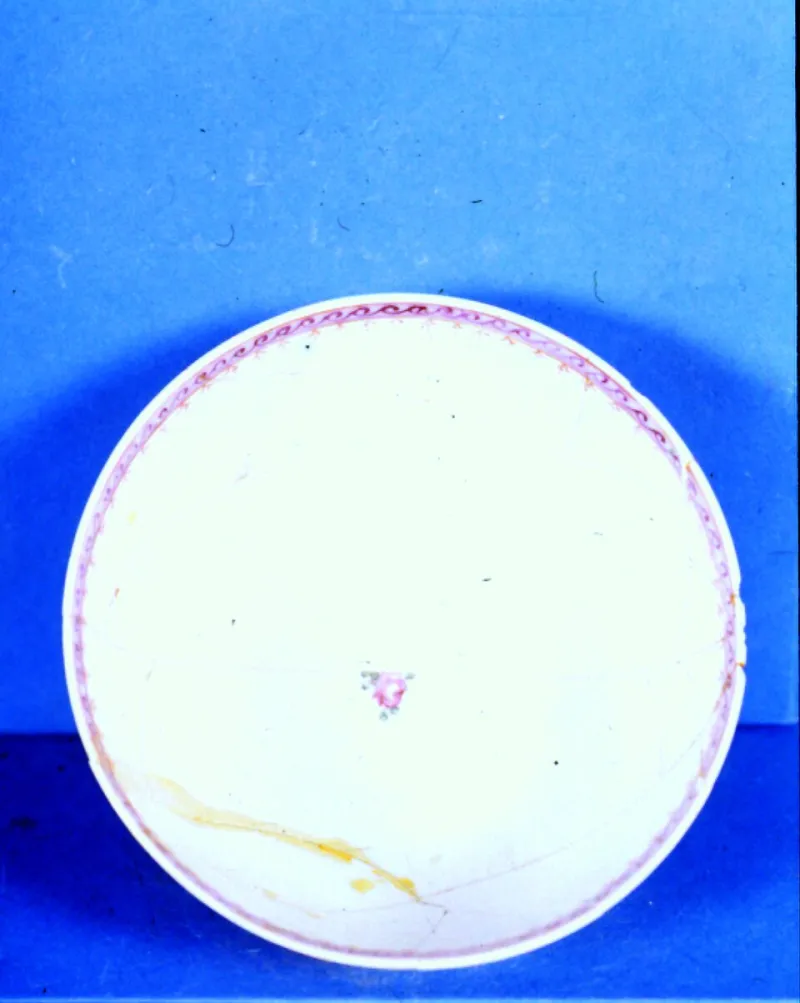
Photo: Unknown, CC BY 4.0, via Wikimedia Commons
There's a folder on my hard drive called ARCHIVE_DO_NOT_OPEN. It contains 417 files. Voice memos recorded on the L train. Demo takes where I sing a half-step flat because the apartment above mine was having an argument. Acoustic sketches with a chair creak at 0:23. For ten years, I treated this folder like a wound — something to cover up and forget.
Last month, I opened it.
The Delete Instinct Is an American Habit
I've lived in the US long enough to notice a pattern: when a creative thing breaks, the instinct here is to start over. New draft. New account. New band name. There's a certain optimism in it — the belief that version two will be clean, untainted by whatever went wrong the first time.
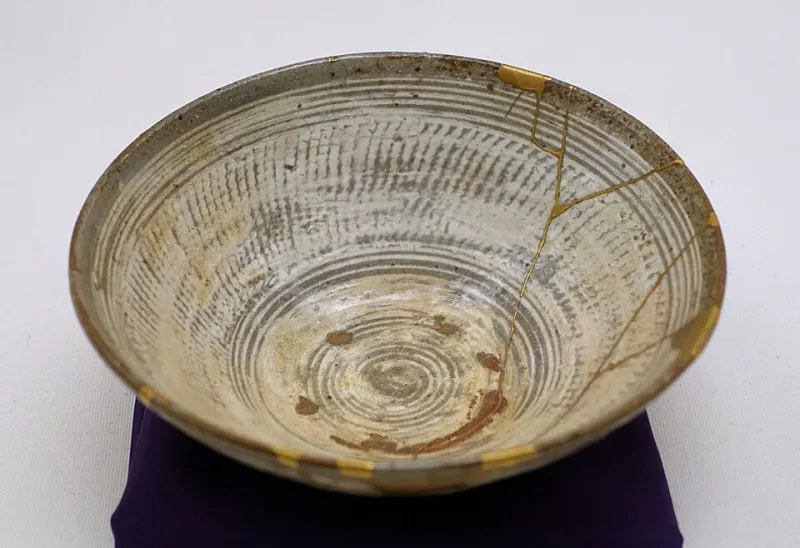
But I grew up around kintsugi, the practice of repairing broken pottery with lacquer dusted in gold. The philosophy isn't about hiding the crack. The crack is the point. The repaired bowl is considered more valuable than the original, because its history is visible.
I started wondering what kintsugi would look like for a voice memo from 2016 that I'd abandoned because the chorus collapsed.
So I ran an experiment. I picked three broken recordings and repaired them instead of deleting them. Here's exactly how each one went, in case you want to try it with your own graveyard of takes.
Repair One: The Cracked Vocal That Became a Duet
The damage: A 2019 voice memo, 1:40 long, recorded on my phone in a Bushwick stairwell. The melody was good. The vocal was thin, warbly, and I gave up on it because I couldn't re-record the magic of that stairwell reverb.
The repair: Instead of replacing the vocal, I kept it and built around it. I pitched the original memo down an octave and used it as a pad — a ghostly drone underneath. Then I recorded a new, confident vocal on top, singing the same melody an octave up. The old take became harmony and texture. The crack became the architecture.
The lesson: The flaw you can't reproduce is often the thing that makes the recording unrepeatable. Stairwell reverb can't be bought as a plugin.
Repair Two: The Song With a Hole in the Middle
The damage: A demo from 2021 with a solid verse, a solid ending, and thirty seconds of nothing in the middle where I'd lost the plot. I'd deleted the session file twice and saved it twice, which tells you how I felt about it.
The repair: This time I borrowed a technique from ma — the Japanese concept of negative space, the meaningful emptiness. Instead of filling the hole, I leaned into it. I cut everything out at the midpoint and let the gap breathe for eight full seconds, then dropped back in with just a kalimba and room noise. The hole became the bridge. Listeners now tell me it's their favorite part.
The lesson: Not every gap is a failure. Some gaps are asking to be framed, not filled.
Repair Three: The Take That Was 'Ruined' by a Siren
The damage: A beautiful piano idea, 2023, recorded at 2 a.m. — until an FDNY siren tore through the second half. I almost deleted it on the spot. It felt unprofessional.
The repair: I transcribed the melody properly, then re-recorded it clean. But the clean version felt dead, and I finally understood why: the siren take had urgency. So I went back to the ruined file, cut the siren into a rhythmic sample, pitched it into a rising drone, and layered it under the clean re-recording. The emergency became the emotional swell.
The lesson: The interruption you resented is often the only part of the recording with real life in it.
Why This Matters More in America
I want to be careful here — I'm not saying American creators lack care. Anyone who's spent time in a Brooklyn repair café or a vintage guitar shop knows Americans can love worn things deeply.
But the software we use pushes us toward erasure. Every DAW has a big red delete. Every phone asks if we want to trim the clip. The tools are built on the assumption that mistakes are garbage. Kintsugi assumes the opposite: that the break is where the story lives.
And honestly? The takes we abandon are the ones we made before we knew what we were supposed to sound like. They're unguarded. Deleting them doesn't just lose material — it loses evidence of who we were before the polish.
Your Assignment, If You Want One
Open the oldest voice memo folder you have. Pick the file you're most embarrassed by. Don't delete it, don't re-record it. Add to it. Put a drone under it. Slow it down. Sample its worst moment. Gold-dust the crack.
You don't have to release the result. You just have to stop pretending the break never happened.
My ARCHIVE_DO_NOT_OPEN folder has a new name now. It's called THE MENDING PILE. There are still 414 files in it.
I'm getting to them.