Gold Over the Mistakes: The Year I Stop-Threw-Away My Old Sketchbooks
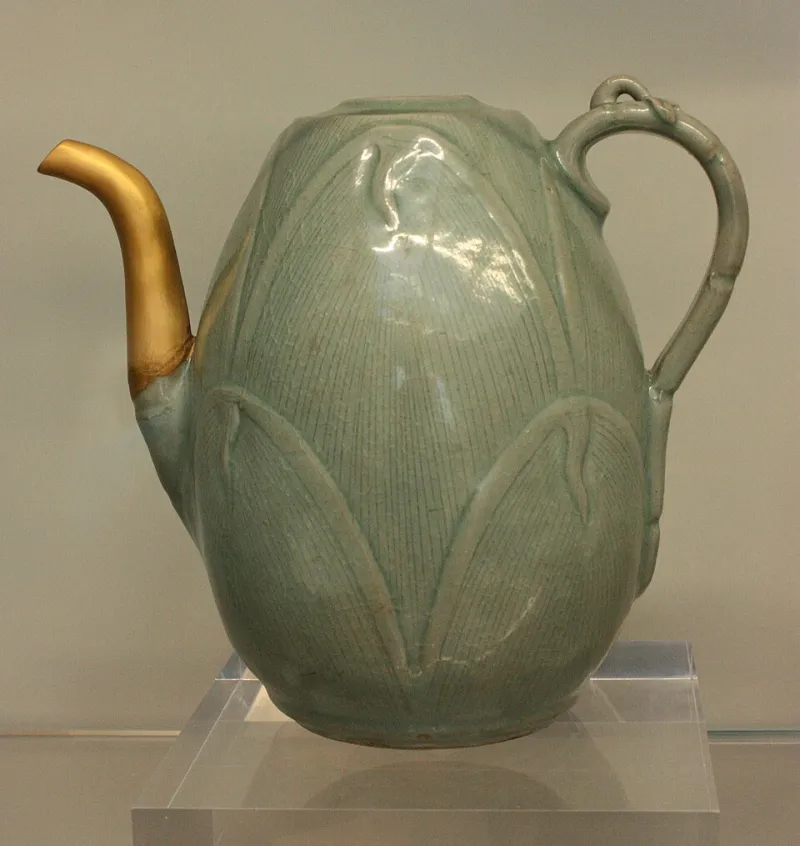
Photo: Valerie McGlinchey, CC BY-SA 2.0 uk, via Wikimedia Commons
I own eleven sketchbooks, and by my honest count, nine of them are graveyards. Dropped portraits, perspective disasters, a watercolor of a Hudson River sunset that turned the color of old gum. For years these books lived in a drawer doing what failed work does: radiating quiet shame every time I opened the cabinet.
Then, at a ceramics workshop last spring, an instructor mentioned kintsugi — the Japanese practice of mending broken pottery with lacquer dusted in gold. The break isn't hidden. It's illuminated. The repaired object is considered more valuable than the original, because the repair is now part of its history.
I remember thinking, with the specific jealousy of a person holding a chipped mug: drawings break too.
What Counts as a Broken Drawing
Not every failed sketch deserves gold. But some don't fail quietly — they fail loudly, halfway through, when you tear the page in frustration or abandon the book entirely at page forty. Those are the fractures. The torn corners. The water-stained page where the ink bled and you gave up. The drawing you covered with a sticker because you couldn't bear to look at it.
So I made a rule for the year: no new sketchbooks until the old ones were repaired. Every torn page gets mended. Every abandoned piece gets revisited — traced over, extended, or deliberately finished wrong. And every repair gets photographed, because if kintsugi is about honoring the damage, photography is how I hold it up to the light.
The Repairs, Documented
The mending process turned out to be more meditative than any life drawing session. For torn pages, I used wheat starch paste and thin kozo paper, then ran a gold ink line along every seam — my clumsy tribute to the urushi-and-gold tradition. Under studio lighting, those seams catch like lightning in a dark room.
The abandoned drawings were harder, because the repair was emotional before it was technical. There's a charcoal portrait from 2015 of my grandmother — I abandoned it because the eyes were wrong, and abandoning it felt like abandoning her. Last October I went back in with white gouache and gold ink. The eyes are still wrong. But now the wrongness is announced, framed in gold like a crack on a bowl. It's the most personal piece I own.
The photographs became their own body of work. Shot close, with raking light, the repaired pages look like aerial views of rivers, of fault lines, of roads. I've started printing them large. People at a recent open studio kept asking what mountain range they were looking at. A sketchbook graveyard, I told them. They didn't believe me.
What the Cracks Taught Me
Kintsugi gets quoted a lot in American self-help circles as a shorthand for "embrace your flaws," and I get why — but working with it hands-on taught me something less tidy. The gold doesn't erase the break. The break stays a break. What changes is that the object stops pretending it never happened.
That's the shift I needed in my practice. I used to treat my sketchbooks as portfolios-in-progress, every page auditioning. Now they're records. A drawing that failed and got repaired tells a fuller story than a drawing that went smoothly, the same way a mended bowl tells you it was loved enough to save.
The drawer where the graveyard lived is now where the work lives. Eleven books, three of them gold-seamed, all of them open for anyone who visits the studio. The photographs hang above the desk, catching the afternoon light, every fracture glowing exactly where it's supposed to be.