4,000 Blurry Photos and a Zine: My Annual Ritual of Golden Repair for the Camera Roll
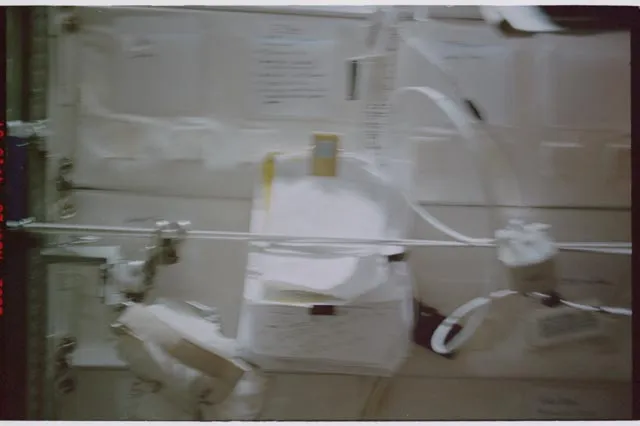
Photo: National Aeronautics and Space Administration. Lyndon B. Johnson Space Center. 2/17/1973, Public domain, via Wikimedia Commons
There's a moment we all know. You're on the L train, phone at 3%, and you finally open the camera roll. Four thousand screenshots. Eleven videos of the same pigeon. A photo of your thumb in a Queens bodega, taken at 2 a.m. for reasons the universe has since withheld.
The standard advice is to purge. Delete ruthlessly. Marie Kondo your pixels. And every year, I watched friends do exactly that — a digital clean sweep, gone in an afternoon.
Then I thought about my grandmother in Kyoto.
The Bowl That Didn't Get Thrown Away
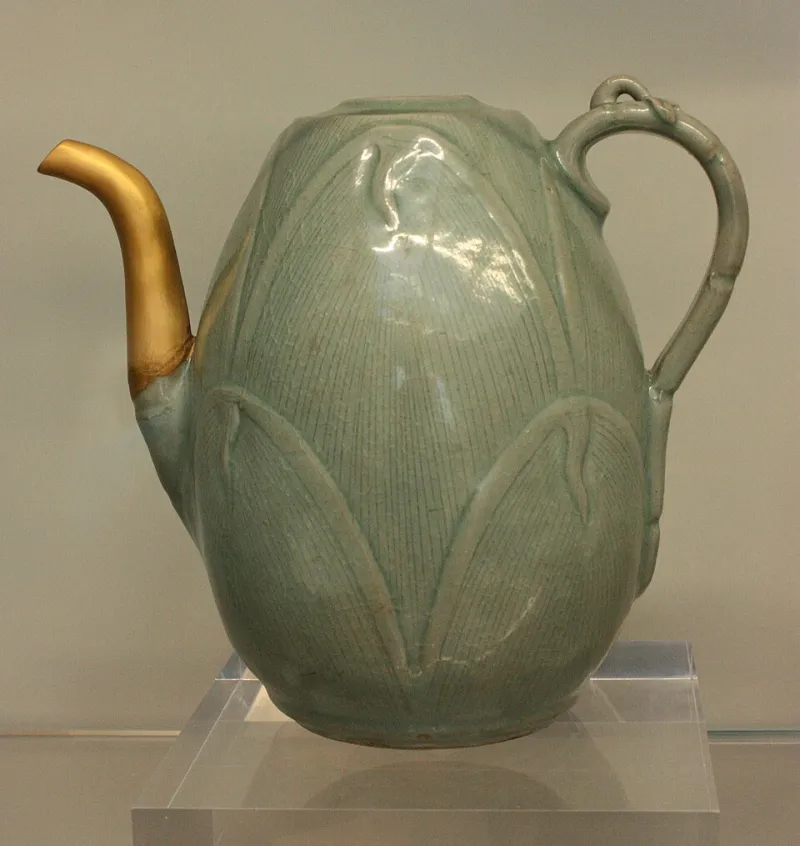
She kept a kintsugi bowl on her tokonoma shelf — you've probably seen kintsugi, the art of repairing broken pottery with gold lacquer, so the cracks become the most valuable part of the object. As a kid, I thought it was a fancy way of avoiding the trash can. As an adult, I understand it's a philosophy: the damage is part of the history. You don't hide the break. You honor it.
So I asked myself an uncomfortable question: if I'd never delete a cracked bowl, why was I executing four thousand photographs?
Because they were "bad." Blurry. Accidental. Misfires. But bad by whose standard? A long-exposure smear of a stranger crossing Bedford Avenue is, technically, a failure. It is also, undeniably, a painting. My camera roll was full of art I refused to look at because it hadn't asked permission to be art.
The Beautiful Failures Zine
Three years ago, I started an annual ritual. Every January, I spend one weekend going through the year's photographic wreckage and curating the best of the worst into a small zine I print at a local shop — nothing fancy, maybe twenty pages, saddle-stitched, sold or given away at my studio events.
The rules are simple:
- No staging, no retouching. If it was a mistake, it stays a mistake.
- One image per page, with a one-line caption explaining what actually happened. ("Intended: the moon. Achieved: streetlight, ghost, poetry.")
- Include the videos. I pick three accidental video clips — usually triggered by a pocket or a cat — and pull a single frame. Some of my favorite published images came from footage I never meant to record.
The first year, I expected the zine to be a joke. Instead, it became the thing people asked about most. There's something disarming about seeing a photographer's failures. It gives everyone else permission to keep theirs.
How to Make Your Own (No Kyoto Required)
You can do this in a single weekend, and honestly, you should. Here's the practical version:
Step 1: Don't delete anything yet. The purge instinct is the enemy. Set a calendar reminder instead — delay is a form of respect.
Step 2: Do a fast pass with your gut, not your standards. Scroll and heart anything that makes you feel something — amusement, tenderness, confusion. You're not looking for good photos. You're looking for honest ones.
Step 3: Cut to twenty. This is the kintsugi part. You're not keeping everything; you're selecting which cracks to fill with gold. Twenty images is a zine. Four thousand is a landfill.
Step 4: Write terrible captions. The caption is where the repair happens. "Accidental shot of my dad mid-sneeze, Thanksgiving 2024" transforms the image from trash into a document of a life. Write like you're texting a friend, not writing a museum placard.
Step 5: Print it small. Use a print shop — FedEx Office, a local risograph studio, or an online zine printer. Aim for 20–30 pages, standard letter size folded, black and white if you're budget-conscious. Cost me about eighteen dollars last year. Cheaper than therapy, arguably similar in effect.
Step 6: Give it away. Mail one to your mom. Leave one at a coffee shop. The point of kintsugi was never to hide the repaired bowl — it was to display it.
Why the Americans Get It Faster
I'll say something slightly heretical: my American friends understand this ritual more instinctively than my Japanese ones. In Japan, the aesthetics of imperfection can become its own form of polish — wabi-sabi as a brand. Here in the States, there's a rawer appetite for the real. My Brooklyn neighbors don't want my perfect portfolio; they want the photo of the rat carrying a slice of pizza, even if it's 70% motion blur. Especially if it's 70% motion blur.
There's a freedom in that. The camera roll as shame pile is a modern invention — a few decades old, tops. It assumes photos exist to be judged. But maybe they exist to be kept, the way my grandmother kept her bowl: not because it was flawless, but because the flaw was where the story lived.
The Roll You Keep
This year's zine includes a shot of the Manhattan Bridge that came out upside down and sideways because I was falling off a bike (I was fine). It includes a focus-pulled disaster of my friend's wedding toast that somehow captures the emotion better than the hired photographer's version. It includes a video still of nothing — gray carpet, my own foot — that I've titled Self-Portrait at 3 A.M., Doubting Everything.
Four thousand photos, twenty with gold in their cracks. The rest are still there, waiting for next January.
Your worst photos aren't clutter. They're an archive of every moment you were paying attention — even when the camera wasn't. Repair, don't erase. And when you're done, print the thing. Gold is only gold when someone sees it.