The Particleboard Altar: Building a Rental Butsudan in Brooklyn
The corner that started it
I didn't set out to build a butsudan. I set out to stop apologizing for the box of family photographs under my bed. In a Brooklyn rental with plaster walls that crumble if you look at them wrong, the idea of a permanent altar felt like a punchline. But a butsudan is not always a lacquered cabinet from a Kyoto temple shop. Sometimes it is a shelf. Sometimes it is a rental-friendly compromise that still holds a candle.
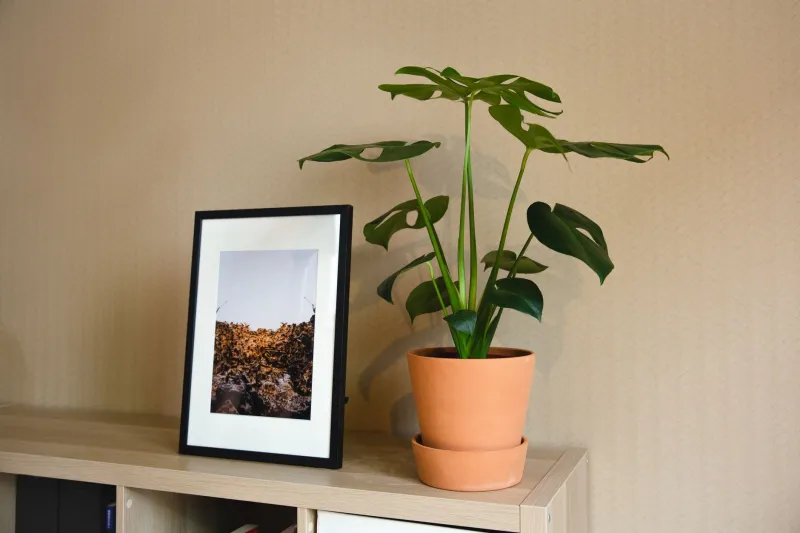
The photo at the top of this piece is the first frame I took: a plain IKEA bookcase, the Billy that has followed me through three apartments, pressed against the wall between a radiator and a window that leaks cold air. I had avoided that corner for months. It was too empty to be useful and too visible to ignore. Then my mother sent me a photograph of my grandmother in a summer kimono, and the corner became a question.
What a butsudan actually does
In Japanese homes, a butsudan is a household altar, usually a cabinet with doors, shelves, and a small platform for offerings. It holds photographs, memorial tablets, incense, flowers, water, and sometimes a bell. It is not a museum. It is a place where the dead stay close enough to be spoken to. The rituals are small: a pinch of incense, a fresh glass of water, a bow before leaving for work. Nothing dramatic. That is the point.
Americans tend to treat grief like a project with an end date. We do the memorial, we do the scattering, we do the casserole. Then we are supposed to move on. A butsudan refuses that schedule. It says memory is daily, not annual. It says the dead can have a shelf in a rental apartment. It says you do not need to own the walls to make a sacred corner.
The IKEA bookcase that refused to be holy
The Billy was not holy. It wobbled. It had a water stain shaped like Ohio. I bought it secondhand from a neighbor who was moving to Philadelphia, and I had assembled it wrong twice. For a while I thought I needed something better: a real cabinet, an antique tansu, a piece of furniture with a story and a price tag to match. But a butsudan is not about the cabinet. The cabinet is just a body. The ritual is the life.
I started with what I had. A piece of thrifted cedar from a flea market in Bushwick became the top surface. A friend cut it to size on a fire escape. I sanded it by hand because I did not own a sander and because the sanding was the point. The bookcase stayed. The cedar sat on top like a small roof.
Frame 3: the 100-yen-store finds
The first objects came from a 100-yen store in Sunset Park that sells everything from rice strainers to tiny ceramic cats. I bought a small white dish for incense, a glass cup for water, a brass bell that sounds like a distant train, and a square of indigo fabric to hide the bookcase's particleboard back. None of it was expensive. All of it was intentional.
The photograph I keep coming back to is the one where the shelf is still half-empty. You can see the indigo cloth, the candle, the photograph of my grandmother, and the empty space beside her. I left that space empty on purpose. In Japanese aesthetics, ma is the interval, the negative space that lets a thing breathe. I did not know I needed ma until I saw my grandmother sitting next to nothing.
What renters can borrow
You do not need a butsudan to learn from one. You need a flat surface, a photograph, a glass of water, and a few minutes. If you rent, use command strips or a leaning shelf. If your landlord forbids nails, use a bookcase. If you move every two years, build something light. The point is not permanence. The point is attention.
Here is the practical version: choose a corner that gets soft light. Put a cloth down first. Add a photograph of someone you miss, or someone you are grateful for. Add a small dish for something that smells good: incense, a sprig of rosemary, a dried orange. Add a glass of water and change it once a week. That is it. No renovation required.
The photo I almost deleted
The last frame in the series is blurry. My hand shook because I was crying and because the light was bad and because the radiator clicked on at the wrong moment. I almost deleted it. Then I remembered the gold in the grooves, the cracks we applaud, the whole studio argument about repair. A clear photograph would have lied. The blur is the truth: grief is not a clean composition.
The shelf is still there. The water gets changed. The bell gets rung when I remember. The Billy still wobbles. None of it is permanent, and that is why it works. In a rental, in a city that never stops moving, a small shelf for the ancestors is a way of saying: this corner is ours. This memory stays. This is enough.