The Breaths Stay In: Confessions of a Singer Who Stopped Autotuning Her Humanity
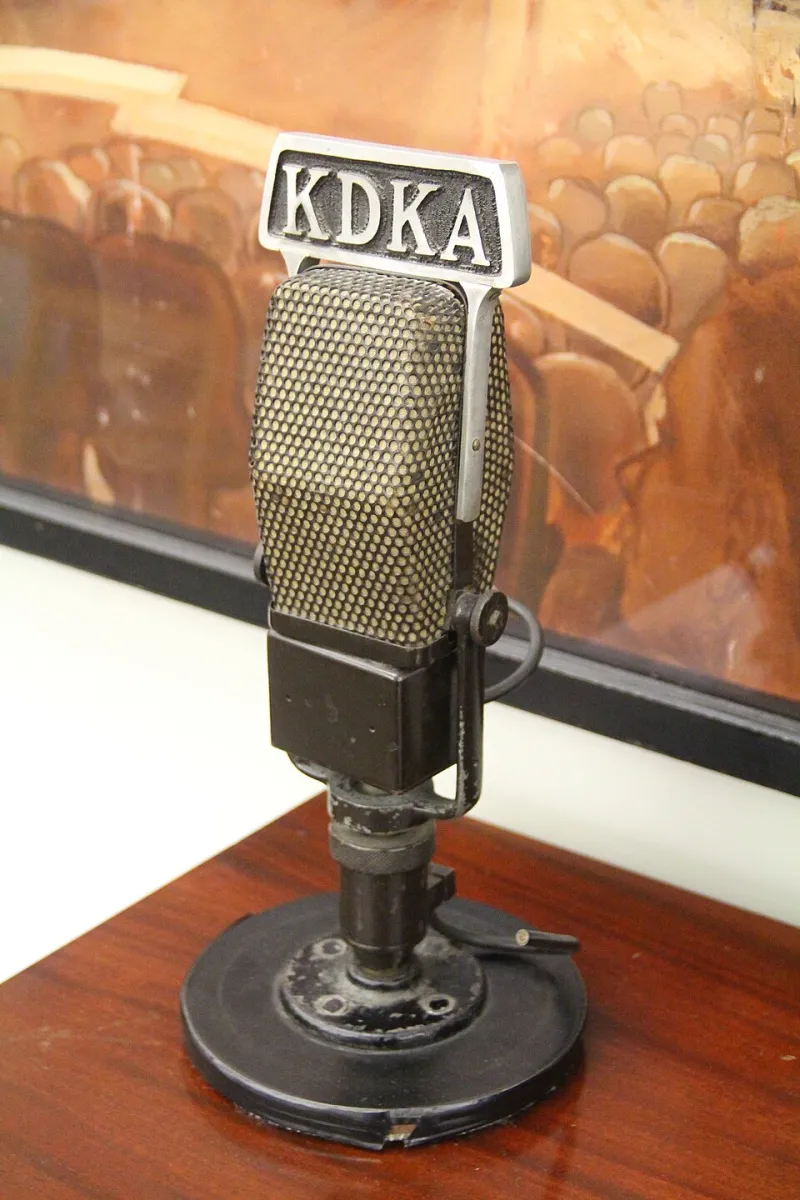
Photo: Fourandsixty, CC BY-SA 4.0, via Wikimedia Commons
There's a recording of my grandmother humming in her kitchen in Nagano. It's terrible, technically. A phone mic from 2009, refrigerator hum in the background, a cough at the thirty-second mark. It's also the only piece of audio I've never once considered editing.
For years, I treated my own voice the opposite way. Every take got comped, tuned, de-breathed, de-clicked. I'd spend an evening nudging a single word until it sat perfectly on pitch, and by the end of it, the word no longer sounded like anything a human throat could produce. It sounded like a very expensive ghost.
The Day I Heard the Grid
The turning point was mundane. A producer friend played me a rough mix of a session he'd engineered, then — almost apologetically — pulled up the raw takes underneath. A singer laughing at her own mistake. A chair creak. A breath that caught before a chorus, like the lyric scared her a little.
"Which version do you want to hear again?" he asked.
The polished one was fine. The raw one, I wanted to live inside.
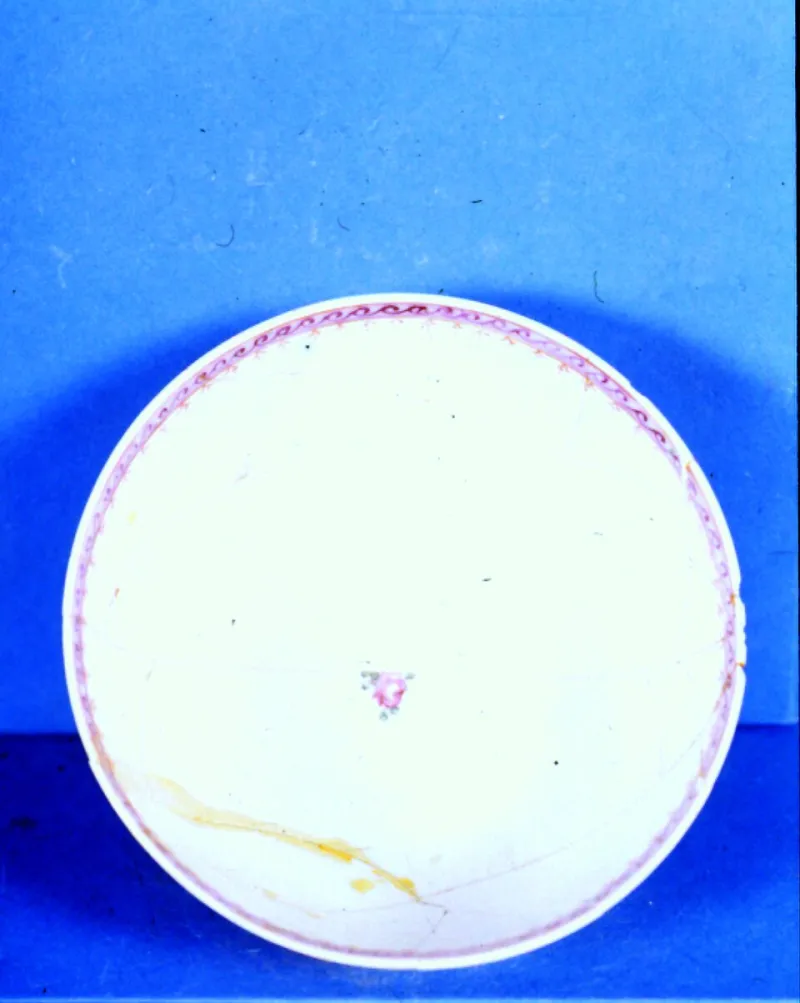
In Japanese craft, there's kintsugi — mending broken pottery with lacquer dusted in gold, so the fracture becomes the most valuable line on the bowl. The repair isn't hidden. It's announced. I'd spent years doing the vocal equivalent of pretending the bowl was never broken, and I was tired of the lie.
What I Actually Kept In
When I recorded my next batch of songs, I set myself rules that would've horrified my past self:
- Breaths stay. Not all of them, but the audible ones — especially the shaky ones before a vulnerable line.
- First-take wavers stay unless they're genuinely distracting. A pitch that bends is a feeling that bends.
- Room sound stays. My Brooklyn bedroom has a particular hum. It's in every song now, like a signature.
- One imperfection per song, minimum, deliberately not fixed. A cracked note. A slightly early entrance. A word I sing a little wrong because that's how I sing it.
The funny thing is that the songs got easier to record. Once the cracks were welcome, I stopped doing twenty takes. The mic stopped feeling like an exam and started feeling like a conversation.
What Two Producers Told Me
I called two people who've spent careers making voices sound "good" and asked when they stopped.
Marcus, who works out of a Ridgewood studio, told me the shift happened with a client's mother. "She came in to record one song for her family. I tuned her vocal and she cried — but not the good kind. She said, 'That doesn't sound like me.' I realized I'd deleted the person to keep the performance." Now he says his first question to clients is, "Do you want to sound like a record, or like you on a good day?"
Dee, a producer and mixing engineer in Atlanta, put it more bluntly: "Pitch correction is a taste decision, not a moral one. But when every voice on the chart sounds like it was poured from the same mold, imperfection becomes the rarest luxury we have. The waver is the watermark."
Both of them mentioned the same thing independently: listeners under twenty-five ask about the texture of a vocal more than its accuracy. They grew up on lo-fi playlists and voice memos. A breath in a recording doesn't read as an error to them. It reads as proof.
The Comments Section as a Kindness Meter
I put two versions of one song online — a tuned mix and a raw one — without labeling them. The raw version got roughly three times the comments, and the comments were different in kind. Nobody said "great pitch." They said things like "the breath before the second verse destroyed me" and "this sounds like 2am in my apartment." One person wrote, "Thank you for not fixing yourself."
I've thought about that sentence a lot. Because that's what comping to perfection had started to feel like — fixing myself, take by take, until the person on the recording was someone I'd never met.
The Bowl, Not the Mold
I don't think tuning is evil, and I don't think every flaw deserves a frame. Kintsugi isn't carelessness — it's a choice about what to honor. Some cracks you mend in gold. Some you grind down and move on. The practice is in knowing which is which.
But I know this much: my grandmother's kitchen hum will outlive every perfectly tuned vocal on my hard drive, because it's the only one that holds a whole person inside it. These days, when I record, I leave the door open for the hum. The breaths stay in. The cracks stay in.
Turns out the gold was never in the tuning. It was in the breaking.