The Squeak That Made the Cut: Recording My Voice Like Broken Pottery

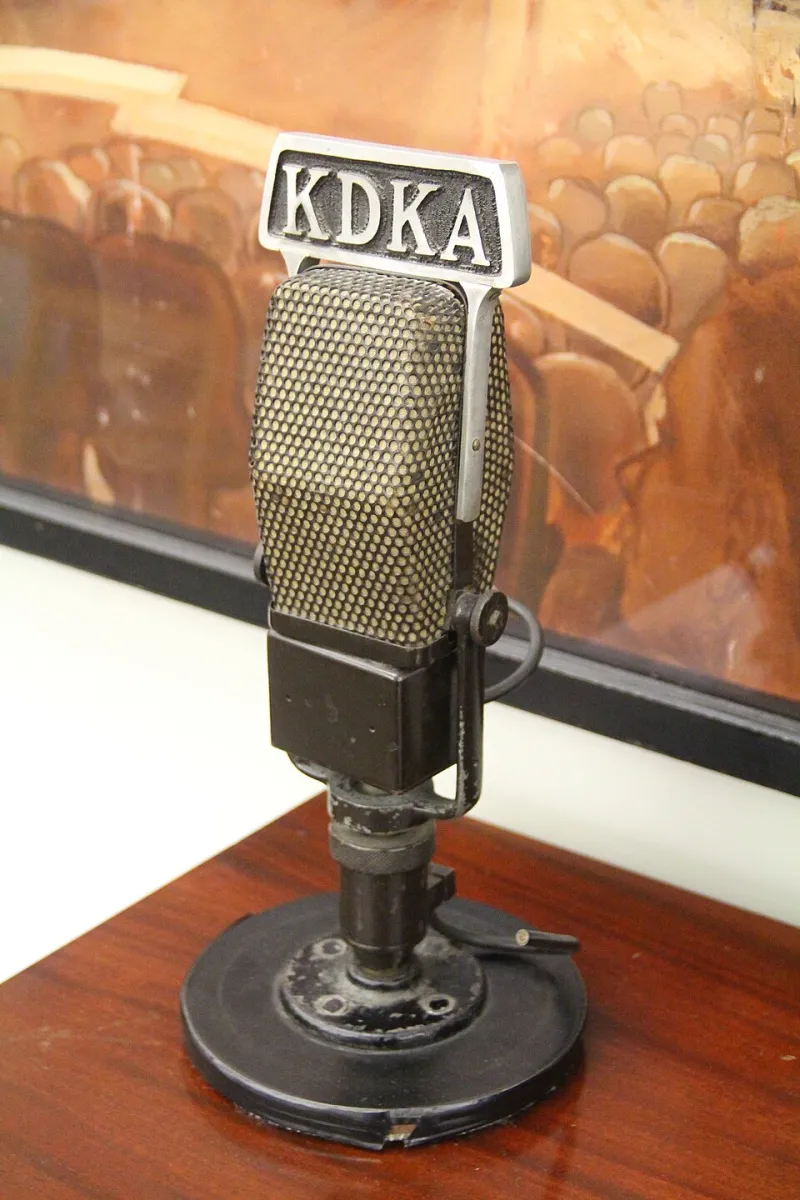
Photo: Justidavidso, CC BY-SA 4.0, via Wikimedia Commons
There's a moment in every mixing session where the engineer leans back, points at the screen, and asks the question that used to make my stomach drop: "Want me to clean up that breath?"
For years, I said yes. Yes to tuning the wobbles. Yes to gating the gasps. Yes to comping together a version of my voice that had never actually existed in one continuous moment of time. The result was fine. Polished. A little bit dead.
Then I spent a month in Kyoto watching a restoration artist fill the hairline fracture of a tea bowl with lacquer and dust it with gold. She didn't hide the break. She traced it. She made the damage the most valuable line on the object.
I flew home to New York and opened a session file I'd been avoiding for weeks — a ballad where my voice cracked, badly, on the second chorus. I'd already sung the line twelve times trying to get it "right." I muted eleven of the twelve takes. I left the crack in, pushed it up 2dB, and put a plate reverb on it so it rang like struck metal.
That take made the album. People ask about it constantly. Nobody has ever once asked about the eleven "perfect" ones.
Flaw Engineering, or How I Learned to Stop Comping and Love the Squeak
Let me be clear: this isn't laziness dressed up as philosophy. Kintsugi requires more skill than throwing the bowl away, not less. Repairing a vocal the same way is a deliberate technical practice, and my engineer and I developed something we jokingly called "flaw engineering" over the course of the record.
The process looks like this. First, we track everything raw — no tuning, no de-essing, no noise reduction. We label anything that would traditionally get edited: the intake of breath before a big line, the slight rasp on a low note, the squeak of a throat closing around a word. Then, instead of deleting them, we mix them. A breath gets its own reverb tail. A crack gets a half-dB boost and a touch of saturation so it glows instead of stings. A vocal fry at the end of a phrase gets panned slightly off-center, like a second voice whispering agreement.
The rule we kept coming back to: an imperfection earns its place if it tells the truth about the moment the take was made. The crack on the ballad happened because I was thinking about my grandmother's listening room. You can hear me thinking about her. That's information. Deleting it would be a lie told at 44.1kHz.
Why American Ears Keep Choosing the Broken Take
I've now played versions of these songs back to back — scrubbed takes versus flawed ones — for friends, label people, and strangers at listening parties in Bushwick basements. It's not close. Americans reliably point at the flawed take.
I have a theory about why. We live inside a country that has been running a two-decade experiment in total audio perfectionism: pitch-corrected pop, AI voice cleanup on podcasts, the eerie smoothness of everything everywhere. Listeners have developed a kind of perfection fatigue. When a voice cracks, something in the brain goes, oh — a person. It's the same reason vinyl outsold CDs again, the same reason people line up around the block for handmade ceramics with visible fingerprints.
There's also something specifically American in the hunger for it. This is a culture built on reinvention, on the fresh start, on the new model every year. Kintsugi argues the opposite: the break is the biography. When I leave the squeak in the mix, I'm telling an audience raised on do-overs that the first version of you — the one that cracked — was already worth keeping.
A Mini-Guide for Producers Who Want to Gild, Not Hide
If you want to try this on your own sessions, here's the starter kit we used:
- Track raw, comp honestly. Pick takes for feeling, not tuning. If the emotional take has a flaw, that's your gold seam candidate.
- Inventory the imperfections. Make a list of every breath, crack, fry, and lip noise in your chosen take. Treat them as elements, not errors.
- Give each flaw a role. Breath = rhythm. Crack = accent. Fry = intimacy. Ask what each one is doing before you decide its fate.
- Highlight, don't bury. Small boosts, saturation, or a touch of reverb make a flaw read as intentional. Solo it, then nudge until it sounds chosen.
- The honesty test. Play the mix for someone who doesn't know your concept. If they say "that part gave me chills" about the flaw, you're done. If they say "is that a mistake?" — either push it further or cut it. The middle is where dead mixes live.
The Bowl You Keep
A restorer in Kyoto told me that kintsugi isn't about the gold. It's about the decision, made at the moment of breakage, that the object is worth keeping. Every mix session is that decision, made over and over, sixty times a second.
My voice breaks. Your voice breaks. The question was never whether we could hide it. The question is whether we were brave enough to make it the shiniest line in the song.
On this album, I was. Pour the tea. The crack is holding.