Thirty-One Syllables, One Take: The Folk Song I Wrote Like a Poem From Kyoto

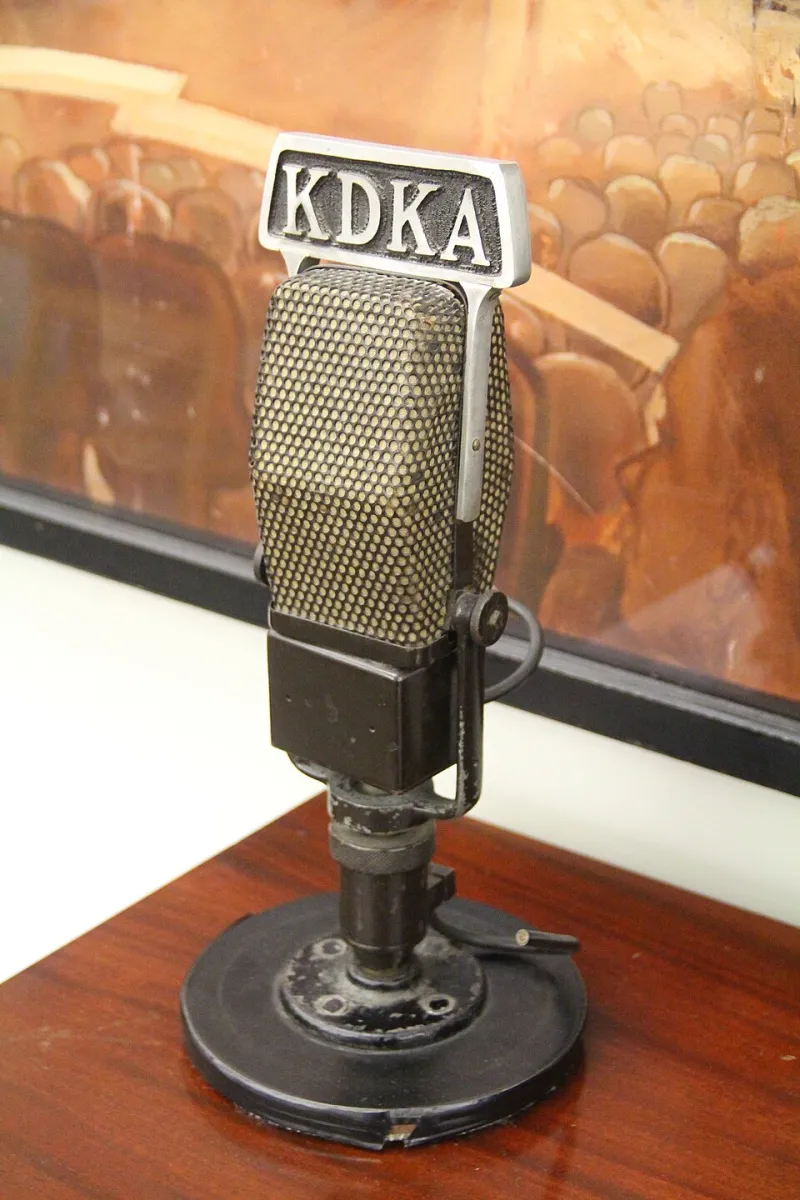
Photo: Tomwsulcer, CC0, via Wikimedia Commons
The Constraint I Didn't Need But Wanted
American folk songs breathe in threes. Verse, chorus, verse. Bridge, chorus, outro, done in three minutes and change, maybe four if you believe in yourself. So when I decided to write an entire song using the tanka form — that ancient five-line structure of 5, 7, 5, 7, 7 syllables, thirty-one total — I was essentially telling my songwriting brain to hold its breath.
Tanka is the older, looser cousin of haiku. Where haiku observes a moment, tanka responds to it. It's the form of the love letter, the farewell, the thing you say when you might not see someone again. Which, it turns out, is exactly what a last verse is.
Cutting the Fat, Then Cutting the Bone
My first attempt was a normal song. Three verses about my grandmother's house in Kyoto being sold, a big sweeping chorus about memory, the works. It was fine. It was also six minutes long, and "fine" is the death of folk music.
Then I translated the whole thing into tanka form. Not literally translated — distilled. Every line had to earn its syllables. The chorus I'd been leaning on for emotional weight? Gone. What replaced it was this:
The house sold in spring— still I set two cups of tea out of old habit and drink them both alone before the train arrives.
No chorus. No repeat. Just the image doing the work I used to outsource to melody. When I sang it for my producer, a Queens guy who has mixed every style from indie rock to gospel, he was quiet for a long moment and then said, "Huh. It's like the song trusts the listener."
That's the thing about compression. When you only have thirty-one syllables, you can't explain the emotion. You can only show the two teacups and let the audience feel the absence themselves. American songwriting often tells you how to feel — here comes the key change, here comes the big note. Tanka just hands you the teacup and walks away.
The Night I Sang It in Bushwick
I debuted the tanka song at a small open mic behind a laundromat on Troutman Street, the kind of place where the P.A. hums and someone's dog is always asleep by the door. Before I played it, I told the room the rules: five lines, thirty-one syllables, no repeats.
You could feel the audience recalibrate. People used to three-minute choruses expect a landing pad — a hook they can grab onto by the second pass. The tanka song never comes back around. It ends where it ends, like a poem, like a train leaving the platform.
And here's what surprised me: the silence afterward was longer and warmer than any applause I've gotten for a big finish. A woman near the bar said it felt like "eavesdropping on a thought." That's the closest review I've ever wanted.
Before and After: The Same Song, Two Shapes
Before (standard folk structure): Six verses and a chorus built around the line "I keep the door open for the person I used to be." Pretty, but it says the quiet part out loud, then says it again, then adds a harmony.
After (tanka):
I leave the door cracked in the apartment I moved from — the new tenants wonder why the draft never bothers them the way it bothers no one now.
Same ache. A fraction of the words. The second version makes you do a little work, and I've come to believe that small labor is where real listening lives.
What Compression Taught Me About Honesty
There's a temptation in songwriting to pad — to add a pre-chorus, a second bridge, a spoken word outro because you're afraid the song isn't "enough." Tanka makes padding impossible. Every syllable you waste is a syllable you stole from the truth.
I'm not saying every song I write from now on will be thirty-one syllables. I like big choruses. I'm human. But I've started every session since with a tanka draft — the poem version of the song, the one that can't lie. Then I decide how much room the music needs to breathe around it.
Sometimes the answer is four minutes. Sometimes, more and more often, it's just the poem, and a room full of strangers in Bushwick, holding their teacups.